
By Michael Ryno
Neonicotinoids (also called neonics) are a class of synthetic insecticides introduced in the 1980s that act on the nervous systems of insects. They are widely used on agricultural crops (primarily corn seeds in Colorado), lawns, gardens, and ornamental plants. Because they are systemic — meaning once applied to a seed or soil, they are taken up by the plant and distributed throughout its tissues, including pollen and nectar. They are often applied to seeds, although are also sprayed on plant leaves. When sprayed, less than 5% of the neonic gets absorbed into the plant, with 95% remaining in soil, water and air.
When first introduced, neonics were to provide efficient pest control with lower toxicity to humans and mammals that other pesticides at the time. However, decades of research and environmental monitoring have revealed that these synthetic chemicals can be highly toxic and work their way up the food chain, particularly bees, native beneficial insects, and birds that rely on the targeted insects for food. Neonic contamination is also impacting humans, as it is turning up in our food, water, and soil. Studies link early-life exposure to serious developmental and neurological harms.
In Colorado, neonics have shown up not just in agricultural settings but also in urban waterways. Surface water and groundwater testing in the South Platte Basin has detected neonicotinoids at concentrations hundreds of times higher than levels known to harm aquatic life. This contamination poses risks to aquatic insects, which in turn affects fish and small mammal populations.
Why Neonics Are Harmful
Neonicotinoids directly affect insects by binding to receptors in their nervous system, causing overstimulation, paralysis, and death even at low doses. This makes them highly toxic to bees and other beneficial insects that feed on treated plants or contaminated water.
Research shows that exposure to neonics, even at low levels, can have various effects on bees, including impaired navigation, weakened immune systems, and disrupted reproduction. These chronic effects reduce colony resilience and are linked to widespread declines in honeybee and native bee populations across the United States and internationally.
Birds are indirectly affected when neonics reduce the availability of their prey. Some studies have found that even small amounts of neonic-contaminated seed or water can reduce bird reproduction and overall health. Birds exposed to neonics experience several symptoms including not eating, failing to reproduce, becoming unable to migrate, becoming paralyzed or experiencing seizures.
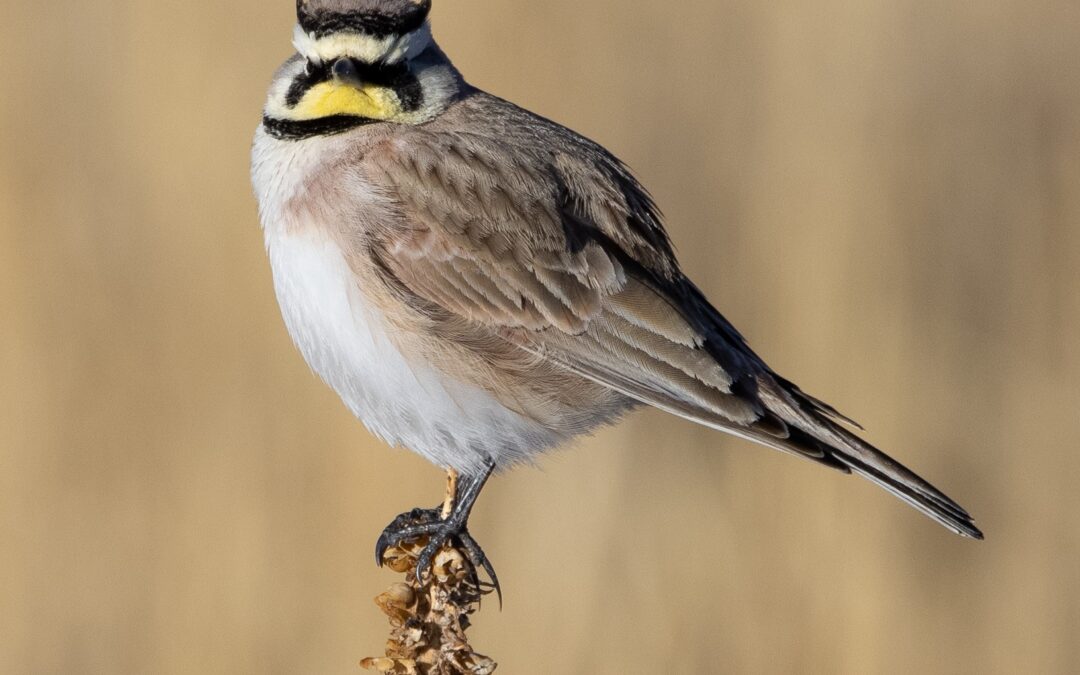
Grassland bird species, many already in decline, depend on abundant insect populations in the breeding season. When neonics enter soil and waterways, they reduce insect populations which are food sources for migrating species. This has led to reduced populations of birds such as meadowlarks, swallows, and sparrows.
Colorado Responses and Emerging Policy
Fortunately, Colorado has begun to respond. In 2023, the state passed a law designating neonics as “limited use pesticides,” restricting their sale to licensed dealers and limiting residential access. This aims to reduce unnecessary use in lawns and gardens, where neonics contribute to widespread environmental exposure.
Additionally, studies like the Native Pollinating Insects Health Study have identified pesticide exposure as a leading driver of pollinator decline in Colorado. This has driven policymakers to promote pollinator-friendly practices as part of broader soil ecosystem stewardship efforts.
What Can We Do?
- Avoid using pesticides on our gardens and lawns.
- Encourage local city and park districts to avoid neonics and replace them with safer alternatives.
- Avoid purchasing neonic products and treated plants when visiting garden centers and supply stores. More specifically, check labels to avoid chemicals including acetamiprid, clothianidin, dinotefuran, imidacloprid, and thiamethoxam.
- Stay informed by visiting https://seedweneedcolorado.org
- Join the Facebook Group – The Seed We Need: https://www.facebook.com/profile.php?id=61583814967911
photo: Shaun Wilsey