By Leslie Lee
World Wildlife Day is celebrated each year on March 3 to “celebrate wild animals and plants and recognize the unique roles and contributions of wildlife to people and the planet.” In 2026, we showcase the diversity of medicinal and aromatic plants, including aloes, frankincense, and orchids, and their contributions to traditional knowledge and primary healthcare. However, these species face threats from habitat loss, overharvesting, and climate change.
In 2026, World Wildlife Day will focus on Medicinal and Aromatic Plants: Conserving Health, Heritage, and Livelihoods. This theme highlights the crucial role of these plants in sustaining human health, cultural heritage, and local livelihoods.
Over 20% of plant species used globally for medicinal and aromatic purposes are threatened with extinction due to overharvesting, habitat loss, climate change, and unregulated trade. Raising awareness, strengthening regulations, and ensuring sustainable harvesting and trade are essential for their survival.
Emerging economies, where 70-95% of the population relies on traditional medicine, face this challenge acutely. These plants form the foundation of healthcare systems and remain vital to modern pharmaceuticals despite advancements in synthetic chemistry. One in five people in these countries depend on wild plants, algae, or fungi for food and income.
Medicinal and aromatic plants (MAPs) have diverse applications, including cosmetics, food, and luxury goods. Globally, 50,000 to 70,000 MAP species are harvested, providing vital resources to millions of households. In the US alone, natural product spending reached USD 14.8 billion in 2008, while the European market for herbal supplements and medicines is valued at USD 7.4 billion annually.
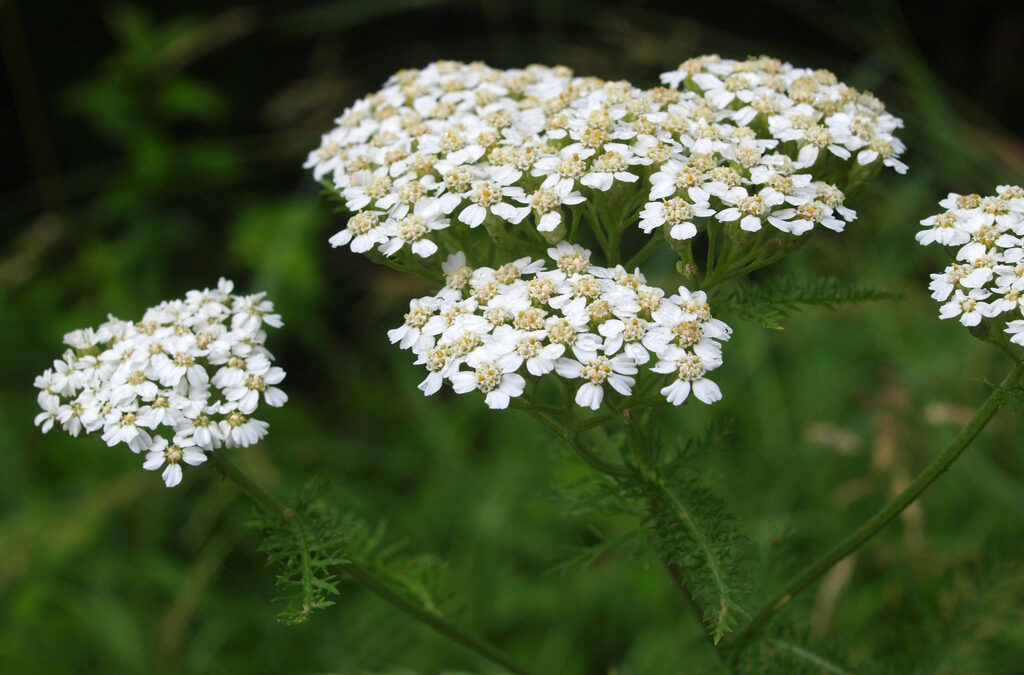
In Douglas County, Colorado, a variety of MAPs thrive in the high-altitude, dry climate. Key native and cultivated plants include yarrow, monarda (bee balm), mullein, lavender, echinacea, arnica, and chamomile, commonly used for skincare, teas, and tinctures to address inflammation, colds, and stress. Note that gathering is unlawful without a permit on many public properties/lands, so be sure to do your homework and have an excellent idea of what you’re harvesting before you go out.
- Local aromatic and culinary herbs like lavender, mint, lemon balm, rosemary, sage, thyme, and oregano thrive in the climate and are used for their pleasant aroma and culinary applications.
- Native medicinal plants such as yarrow (antiseptic), monarda (respiratory and digestive), mullein (respiratory), and arnica (muscle aches) are commonly found or cultivated in the area.
- Cultivated herbs like calendula, comfrey, and mints are grown for skincare. Apothecaries across the state offer nettles, red clover, and passionflower.
- United Plant Savers emphasizes preserving native, high-value medicinal plants on local sanctuaries.
- The Colorado State University Extension (Douglas County) provides resources on local, drought-tolerant, and native plants.
To support the conservation of local plants, you can:
– Celebrate conservation and support/encourage sustainable management practices
– Educate others about medicinal and aromatic plants
– Encourage research, innovation, and partnerships related to plant biodiversity
Douglas Land Conservancy preserves open spaces, wildlife habitats, and natural resources that enables native species like these to thrive.