
By Mary Taylor Young
We all love nature. But sometimes nature makes itself a little hard to love. Like when aphids suck the juice out of your flowers, curling the leaves and turning them yellow. Or hornworms disappear your tomato plants overnight, leaving you with forlorn, green stubs. Or mice invade your pantry and leave their calling cards everywhere.
There are ways to fight back that protect the environment and avoid hurting unintentional targets, including birds, bees, pets and people.
Garden Pest Control
We all know that chemical pesticides can harm the environment and kill beneficial insects and non-target animals. But what to do to keep pests under control? Colorado State University Extension suggests using an integrated approach to manage garden pests that focuses on prevention, mechanical controls and healthy growing practices. Use physical barriers like row covers and netting to protect plants. Build healthy soil using compost. Plant pest-resistant plant varieties and control pests physically, like removing aphids with streams of water. Get the help of friendly bugs by encouraging the good guys with certain plants and practices. Even rotating your crops like a good farmer can invigorate your garden and fool the bad guys.
If you must use a chemical pesticide, read labels and know your poison. Neonicotinoids are highly toxic to pollinators like bees and butterflies and can persist in soil and water for years. Foraging bees can take them back to the hive in pollen and wipe out an entire colony. “Neonics” are also highly toxic to birds.
Rodent Control
In Douglas County, a mouse in the house isn’t an if but a when. The first step is to locate the entry points into your home and block them. Then, decide the best control method for your situation, and tolerance. Old-fashioned snaptraps are one of the best ways to catch mice. They do a grim job, but dispatch rodents instantly, so the animals don’t suffer. But you need easy accessibility to set and empty the traps. Glue traps are also effective but they trap animals without killing them leaving them to often die a slow death from dehydration and stress. And you must dispatch any mice that are still alive. Poison bait blocks or granules help control rodents in hard-to-reach places, but they should be used with caution. Rodent poisons are highly-toxic to dogs and nontarget animals and should be placed inside bait boxes or in inaccessible locations to wildlife. A downside is the bad smell sometimes caused from a mouse that died somewhere in the wall.
Happy Garden and Yard
With a little research you can devise a pest control plan for a garden and yard graced with butterflies, bees and beautiful blooms!
To learn more visit extension.colostate.edu.
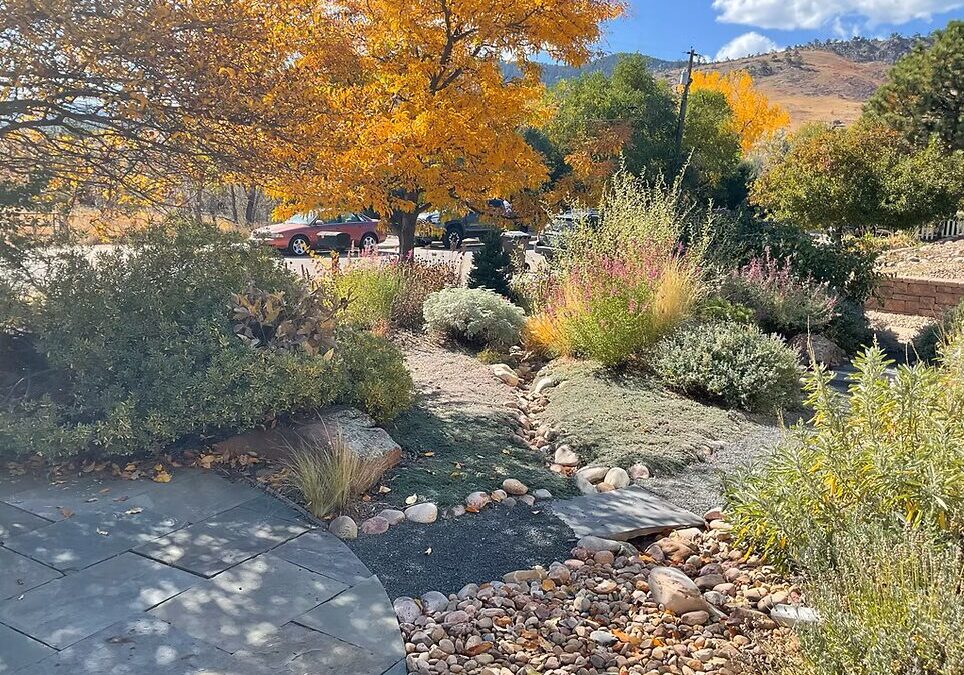
photo: Wild Heritage Garden