
National Nonprofit Day
By Michael Ryno Please join Douglas Land Conservancy (DLC) in celebrating National Nonprofit Day, which recognizes nonprofit organizations as well as their employees, volunteers, donors, and community partners. Together, these organizations work to make their...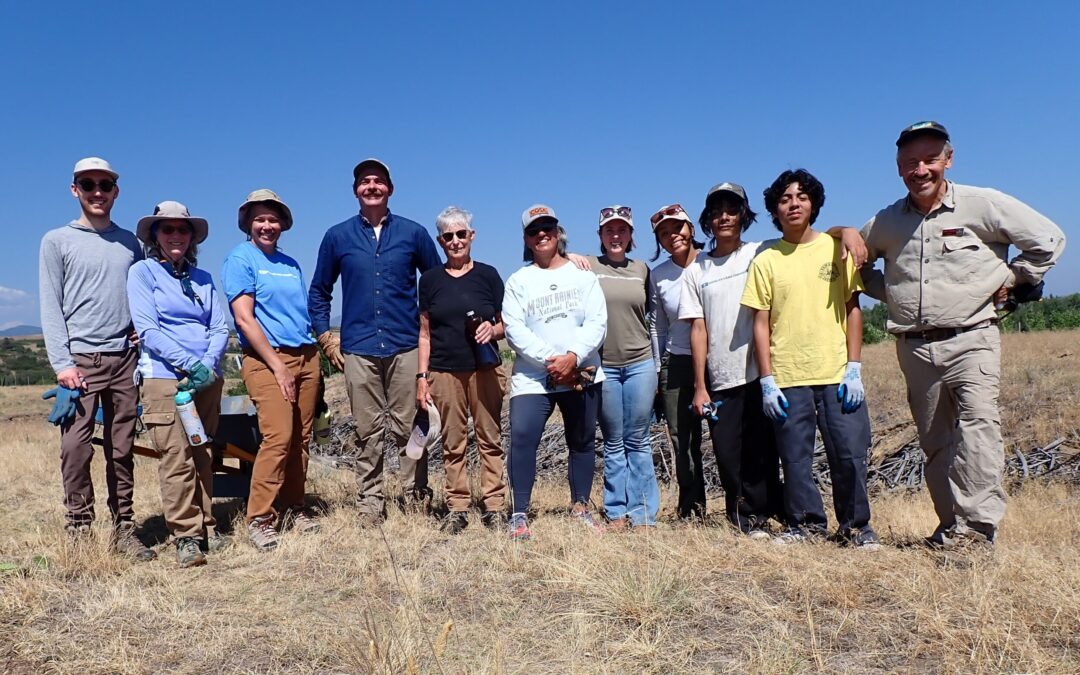
DLC’s First Volunteer Stewardship Workday
Douglas Land Conservancy hosted our first volunteer Stewardship Workday at a private conserved property in Douglas County! Land protection work doesn’t end when the property is conserved. It’s an enduring responsibility of DLC to ensure the conservation...
Get your tickets now for Under a Wild Sky!
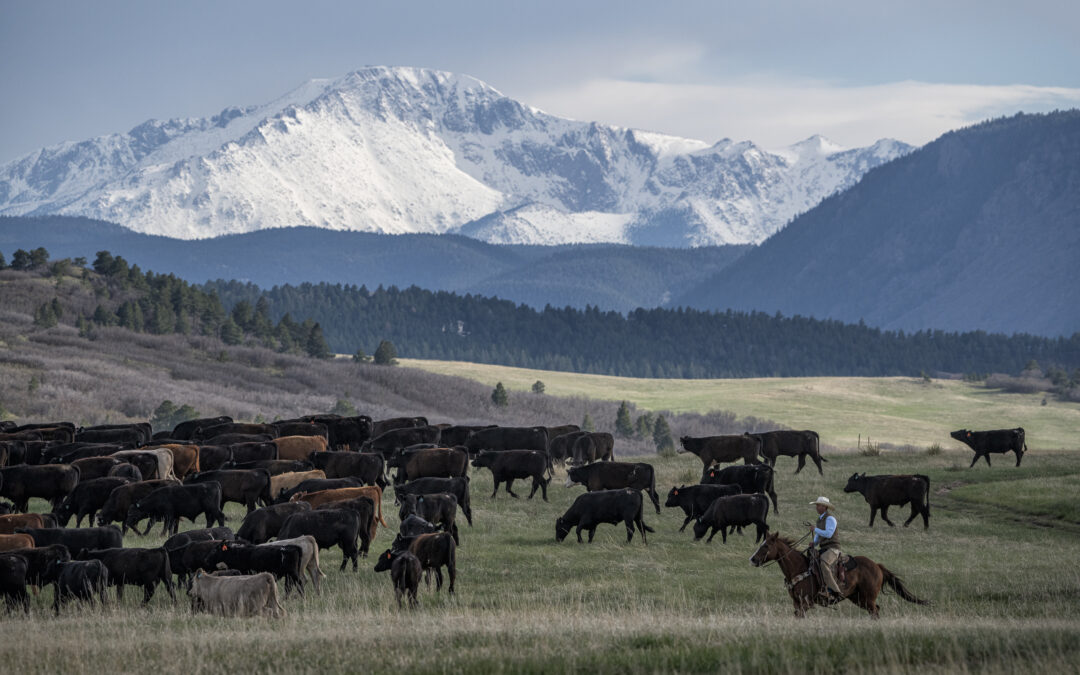
2026 Under a Wild Sky Fundraiser Saturday, August 29, 2026 – 4:00 to 8:00PM | Maytag Ranch, Larkspur, CO Saddle up, Under a Wild Sky is back! Douglas Land Conservancy’s annual fundraiser is heading to the wide-open beauty of the DLC conserved Maytag Ranch, and it’s...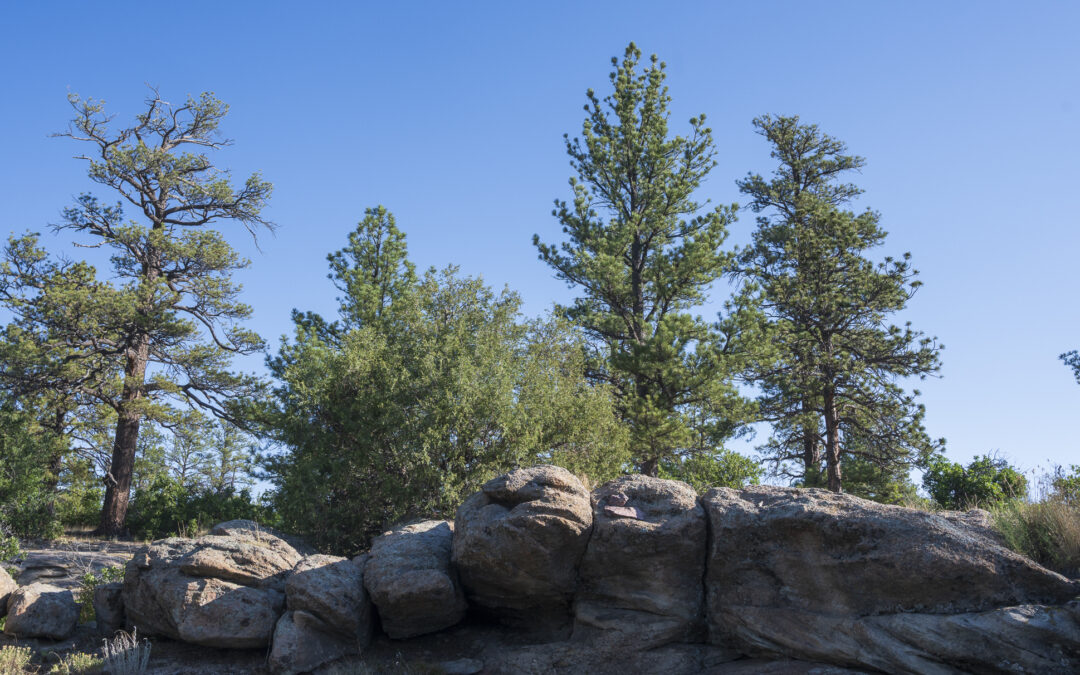
Lost Canyon Ranch and DLC’s role in the new open space
By Rich Bangs Judging from the reaction of visitors to Castle Rock’s most recent open space, Lost Canyon Ranch is going to be a favorite to many who visit the area. The 681-acre open space, on the southeast corner of the town, opened to the public in early July with...